

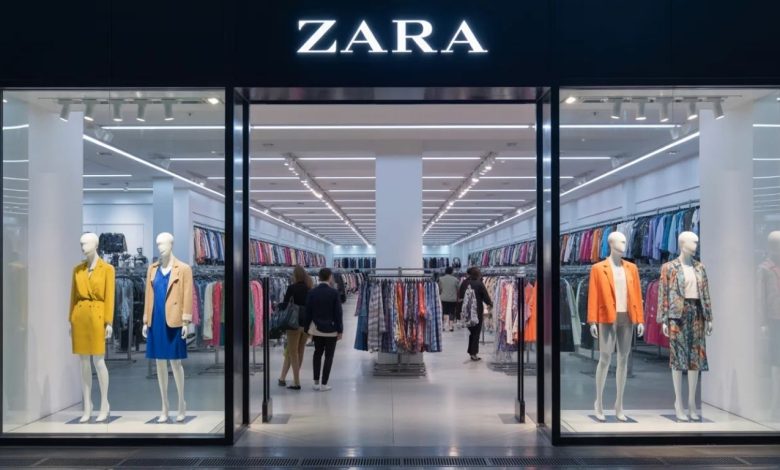
If you’ve ever walked past a Zara store and seen brand-new styles every few weeks, you might have asked yourself: is Zara fast fashion?
It’s a fair question. Clothes change quickly, trends move even faster, and brands compete to keep up. Zara is known for stylish pieces at affordable prices—but how does it manage to release new collections so often?
In this guide, we’ll explain everything in simple, easy language. No complicated terms. No confusing fashion industry talk. Just clear answers so you can decide for yourself.
What Is Fast Fashion?
Before answering “is Zara fast fashion,” we need to understand what fast fashion means.
Fast fashion refers to clothing brands that:
-
Produce trendy clothes quickly
-
Sell them at low prices
-
Release new styles frequently
-
Encourage regular shopping
Think of it like fast food—but for clothes. Instead of waiting months for new collections, fast fashion brands refresh shelves constantly.
The goal? Speed and affordability.
A Quick Look at Zara

Zara is among the most recognizable fashion brands in the world. Founded in Spain, it operates thousands of stores globally.
Unlike traditional brands that release seasonal collections (spring, summer, fall, winter), Zara introduces new pieces every few weeks. That constant change keeps customers coming back.
It’s like a rotating closet—you never know what you’ll find next.
Is Zara Fast Fashion? The Short Answer
Yes, Zara is widely considered a fast fashion brand.
Why?
Because it:
-
Produces clothing quickly
-
Follows runway trends closely
-
Sells items at mid-range affordable prices
-
Frequently refreshes inventory
When people search “is Zara fast fashion,” the simple answer is yes—but there’s more to the story.
How Zara’s Business Model Works
Zara’s success lies in speed and control.
Short production cycles:
While many brands take months to design and distribute clothes, Zara can move from design to store shelves in just a few weeks.
Limited stock strategy:
Zara produces smaller batches. If something sells out, it often doesn’t return. This creates urgency—if you like it, buy it now.
Trend tracking:
Designers monitor runway shows, social media, and street style. When a trend pops up, Zara quickly adapts it for everyday shoppers.
It’s like fashion on fast-forward.
Production Speed and Trend Turnaround
Speed is the heart of fast fashion.
Traditional brands may take six months to create a new collection. Zara can do it in two to four weeks.
That quick turnaround answers the question “is Zara fast fashion?” clearly. Fast fashion is defined by speed—and Zara moves very fast.
New arrivals drop frequently. That constant refresh keeps stores exciting.
Pricing Strategy and Affordability

Zara’s pricing sits between luxury and ultra-cheap fashion.
It’s not the cheapest brand, but it’s affordable compared to designer labels.
Fast fashion usually aims to:
-
Make trends accessible
-
Keep prices reachable
-
Encourage repeat purchases
Zara fits this model. You can buy a trendy jacket without spending a fortune.
Quality vs. Quantity Debate
One big discussion around fast fashion is quality.
Some shoppers say Zara items:
-
Look stylish
-
Feel trendy
-
Don’t always last long
Others argue that some Zara pieces are better quality than lower-end fast fashion brands.
Here’s the honest truth: when speed increases, durability can sometimes decrease.
It’s like buying a trendy phone case. It looks great—but you might replace it next season.
Environmental Impact of Fast Fashion
Fast fashion has environmental costs.
Producing clothes quickly often leads to:
-
Increased textile waste
-
Higher water usage
-
Carbon emissions
-
Overproduction
When clothes are made fast and bought frequently, many items end up discarded quickly.
That’s one reason people ask, “is Zara fast fashion?”—because fast fashion affects the planet.
Zara’s Sustainability Efforts
Zara has responded to criticism by introducing sustainability initiatives.
These include:
-
Recycling programs
-
Eco-friendly collections
-
Reduced packaging waste
-
Commitment to using more sustainable fabrics
The brand claims it aims to reduce environmental impact. However, critics argue that producing large volumes quickly still creates waste.
So while Zara is making changes, it still operates within a fast fashion structure.
Ethical Concerns and Labor Questions
Another topic in the fast fashion debate is labor.
Fast production often raises concerns about:
-
Factory conditions
-
Worker wages
-
Supply chain transparency
Zara states that it follows ethical guidelines and audits suppliers. Still, fast fashion in general faces scrutiny over labor practices worldwide.
When asking “is Zara fast fashion,” it’s important to consider the social impact too.
Why Consumers Love Zara
Despite criticism, Zara remains popular. Why?
Because it offers:
-
Trendy styles
-
Frequent updates
-
Affordable prices
-
Global availability
Shopping at Zara feels exciting. It’s like treasure hunting. Every visit brings something new.
And let’s be honest—who doesn’t enjoy fresh styles without luxury prices?
Criticism of Zara’s Model
Critics say Zara encourages overconsumption.
Because new items arrive constantly, shoppers may feel pressure to buy quickly.
This cycle can lead to:
-
Impulse purchases
-
Short-term trends
-
Closet clutter
Fast fashion sometimes feels like chasing a moving train—you’re always trying to keep up.
Is Zara Better Than Other Fast Fashion Brands?

Compared to ultra-fast fashion brands, Zara:
-
Produces slightly smaller batches
-
Uses some local manufacturing
-
Invests in sustainability programs
However, it still follows the fast fashion model.
So yes, Zara may be positioned slightly higher than some competitors—but it remains part of the fast fashion system.
Should You Shop at Zara?
This depends on your values.
Ask yourself:
-
Do I prioritize trends or longevity?
-
How often do I replace clothes?
-
Am I comfortable with fast production cycles?
You can also shop smarter:
-
Buy fewer, higher-quality pieces
-
Choose timeless styles
-
Avoid impulse purchases
Shopping is personal. Awareness is what matters most.
Conclusion
So, is Zara fast fashion? Yes, it is. Its fast production cycles, frequent new arrivals, and trend-driven model place it firmly in the fast fashion category.
However, the story isn’t black and white. Zara has made efforts toward sustainability, but it still operates within a system built on speed and demand.
At the end of the day, understanding how brands work helps you make informed choices. Fashion doesn’t have to be perfect—but it should be thoughtful.
FAQs About Is Zara Fast Fashion
1. Is Zara fast fashion compared to luxury brands?
Yes, Zara produces clothes much faster and at lower prices than luxury fashion houses.
2. Why do people ask is Zara fast fashion?
Because Zara releases new styles frequently and follows a rapid production model typical of fast fashion.
3. Does Zara focus on sustainability?
Zara has introduced eco-friendly initiatives, but it still operates under a fast fashion structure.
4. Is Zara better than ultra-fast fashion brands?
Zara may have slightly better quality and sustainability programs, but it remains part of fast fashion.
5. Can you shop at Zara responsibly?
Yes, by buying fewer items, choosing timeless pieces, and avoiding impulse purchases.
For More Visit: Thecelebrities


