
Do Muslim Celebrate Christmas? Understanding Beliefs, Culture, and Traditions

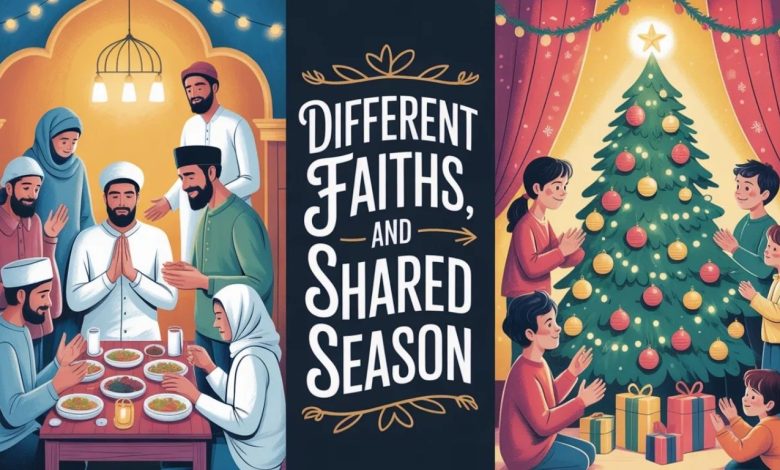
Every year in December, lights glow, trees sparkle, and carols fill the air. Christmas is one of the most widely celebrated holidays in the world. But this often raises a common question: do Muslim celebrate Christmas?
It’s a simple question, but the answer isn’t just “yes” or “no.” It depends on religion, culture, family traditions, and even geography.
If you’ve ever wondered whether Muslims take part in Christmas festivities, exchange gifts, or attend Christmas dinners, you’re not alone. Let’s explore this topic clearly and respectfully, using simple language and real-world understanding.
Think of religions like different paths leading up a mountain. Some paths cross, some stay separate—but each has its own direction and traditions. Let’s look at what Islam says and how Muslims around the world approach Christmas.
What Is Christmas?
Before answering “do Muslim celebrate Christmas,” we need to understand what Christmas represents.
Christmas is a Christian holiday celebrating the birth of Jesus Christ. For Christians, Jesus is the Son of God and central to their faith.
It is both:
-
A religious celebration
-
A cultural holiday in many countries
This distinction is important.
What Does Islam Teach About Jesus?
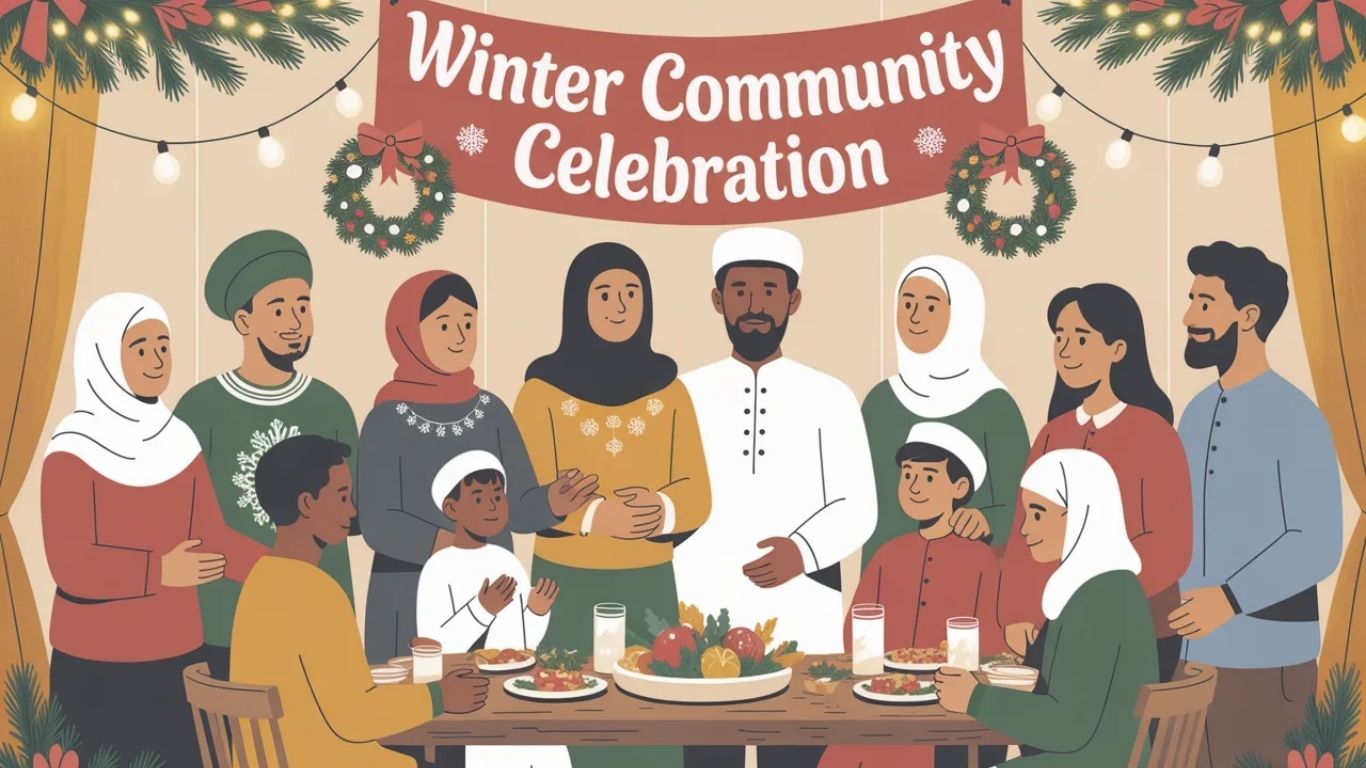
Many people don’t know this, but Muslims deeply respect Jesus.
In Islam, Jesus (known as Isa) is considered:
-
A prophet
-
Born miraculously to Mary (Maryam)
-
A messenger of God
However, Muslims do not believe Jesus is the Son of God. In Islam, God is One, without partners.
So while Jesus is honored, his role in Islam differs from Christianity.
Do Muslim Celebrate Christmas Religiously?
The short answer: Most Muslims do not celebrate Christmas as a religious holiday.
Why?
Because Christmas is tied to Christian beliefs about Jesus being the Son of God. Since Islam has different beliefs, celebrating it as a religious event does not align with Islamic teachings.
So when someone asks, “do Muslim celebrate Christmas?”—religiously speaking, generally no.
Why Most Muslims Do Not Celebrate Christmas
Islam has its own religious holidays.
Celebrating another religion’s sacred day can be seen as mixing beliefs.
For many Muslims:
-
Faith is very important
-
Religious practices are clearly defined
-
Islamic traditions are preserved carefully
It’s similar to how people guard family traditions. You respect others—but you keep your own traditions intact.
Cultural vs Religious Celebration
Here’s where things get interesting.
Some Muslims may not celebrate Christmas religiously, but they may participate culturally.
For example:
-
Attending a work holiday party
-
Enjoying festive decorations
-
Giving gifts to friends
This doesn’t mean they are celebrating the religious meaning of Christmas. It may simply be social participation.
Think of it like enjoying fireworks on New Year’s Eve without attaching deep religious meaning to it.
Muslims Living in Western Countries
In countries like the United States, Canada, or the UK, Christmas is everywhere.
Schools close.
Offices decorate.
Stores play holiday music.
Muslims living in these countries often navigate Christmas in different ways:
-
Some completely avoid participation
-
Some attend social events
-
Some focus on respecting neighbors
It often depends on personal choice and family values.
Can Muslims Say “Merry Christmas”?
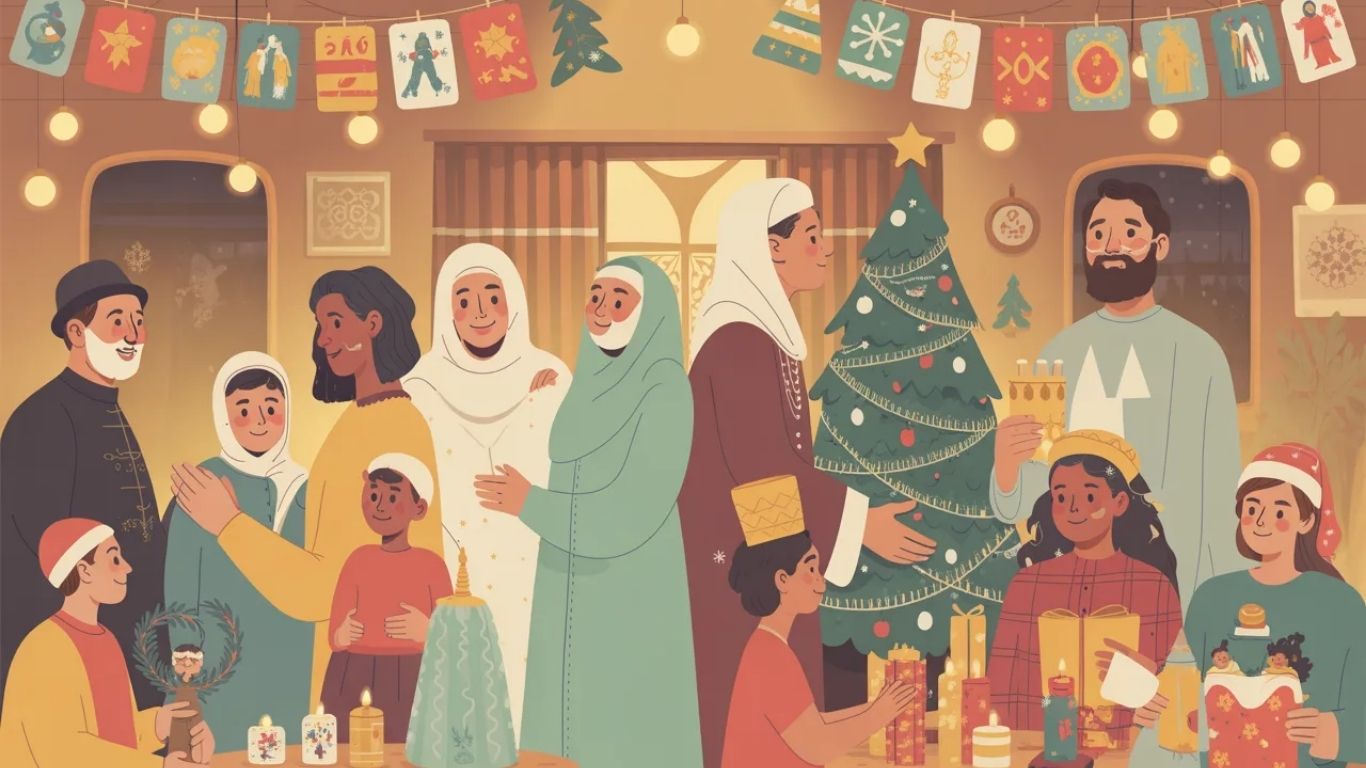
This is one of the most debated questions.
Some Islamic scholars say:
-
It is allowed as a gesture of kindness.
Others say:
-
It should be avoided if it supports religious beliefs inconsistent with Islam.
So when asking, “do Muslim celebrate Christmas?”—you’ll find varied opinions.
Kindness and respect are core Islamic values, but religious boundaries also matter.
How Muslims Show Respect During Christmas
Even if they don’t celebrate, Muslims often show respect.
They may:
-
Send polite greetings
-
Visit neighbors
-
Exchange neutral holiday wishes
-
Participate in charity work
Islam encourages good behavior and peaceful coexistence with others.
Respect does not require participation.
Islamic Holidays Compared to Christmas
Islam has two major holidays:
-
Eid al-Fitr
-
Eid al-Adha
These are the main celebrations in Islam.
Unlike Christmas, they are based on Islamic teachings and events.
Eid al-Fitr and Eid al-Adha Explained
Eid al-Fitr
Celebrated at the end of Ramadan (a month of fasting).
It includes:
-
Prayer
-
Family gatherings
-
Charity
-
Special meals
Eid al-Adha
Commemorates the story of Prophet Ibrahim’s willingness to sacrifice his son.
It includes:
-
Prayer
-
Sacrifice of an animal
-
Sharing meat with the poor
These holidays hold religious significance for Muslims, similar to how Christmas holds meaning for Christians.
Different Opinions Among Scholars
Islamic scholars sometimes differ in opinions about Christmas participation.
Some believe:
-
Any involvement should be avoided.
Others believe:
-
Cultural participation without religious intent may be acceptable.
Islamic interpretation can vary based on school of thought and region.
So the answer to “do Muslim celebrate Christmas?” isn’t identical everywhere.
Muslim Families with Christian Relatives
In mixed-faith families, things can be more flexible.
For example:
-
A Muslim married to a Christian spouse
-
Families with diverse religious backgrounds
In such cases, some Muslims attend Christmas dinners out of family respect while maintaining their own beliefs.
Family harmony often plays a role.
Social Gatherings and Gift Giving
Gift-giving itself is not forbidden in Islam.
So if gifts are exchanged in a social context, some Muslims may participate.
However:
They may avoid religious symbols like nativity scenes or church services.
It’s about drawing personal boundaries.
Common Misunderstandings
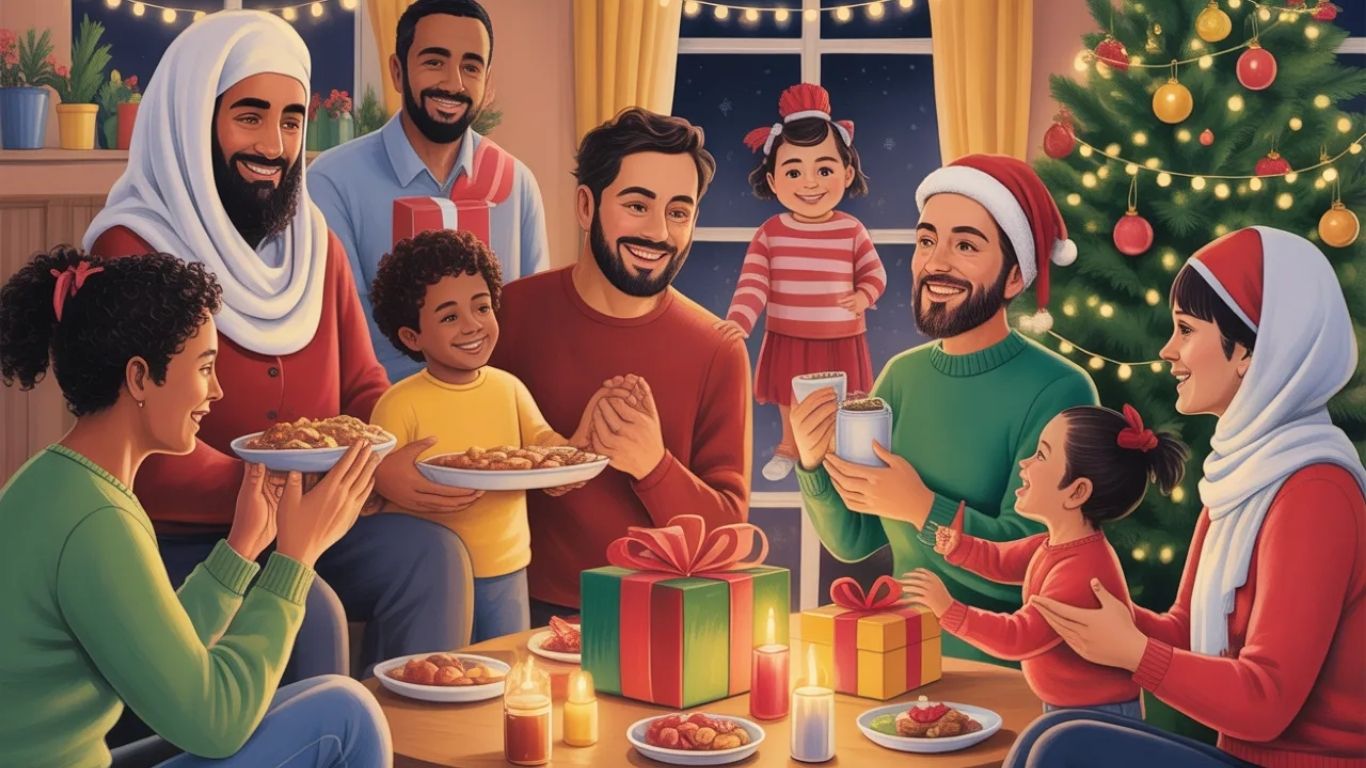
Let’s clear up some myths.
Myth 1: Muslims Hate Christmas
Not true. Most simply follow their own faith traditions.
Myth 2: Muslims Don’t Respect Christians
Islam teaches respect for “People of the Book,” including Christians and Jews.
Myth 3: All Muslims Think the Same
Like any group, Muslims have diverse opinions and practices.
Understanding removes fear. And fear often comes from lack of knowledge.
Final Thoughts
So, do Muslim celebrate Christmas?
Religiously, most Muslims do not celebrate Christmas because it is a Christian holiday rooted in beliefs different from Islamic teachings.
Culturally, some Muslims may participate in social aspects—especially in countries where Christmas is widely observed.
At the heart of it all, Islam encourages respect, kindness, and peaceful living alongside others.
Different faiths, like different languages, express devotion in unique ways. Understanding these differences helps build bridges instead of walls.
FAQs About Do Muslim Celebrate Christmas
1. Do Muslim celebrate Christmas as a religious holiday?
Most Muslims do not celebrate Christmas religiously because it is based on Christian beliefs.
2. Do Muslims believe in Jesus?
Yes, Muslims believe Jesus was a prophet, but not the Son of God.
3. Can Muslims attend Christmas parties?
Some may attend social gatherings, depending on personal beliefs and cultural context.
4. What holidays do Muslims celebrate instead of Christmas?
Muslims celebrate Eid al-Fitr and Eid al-Adha as their main religious holidays.
5. Is it disrespectful for Muslims not to celebrate Christmas?
No, it simply reflects different religious traditions. Respect can exist without participation.
For More Visit: Thecelebrities