

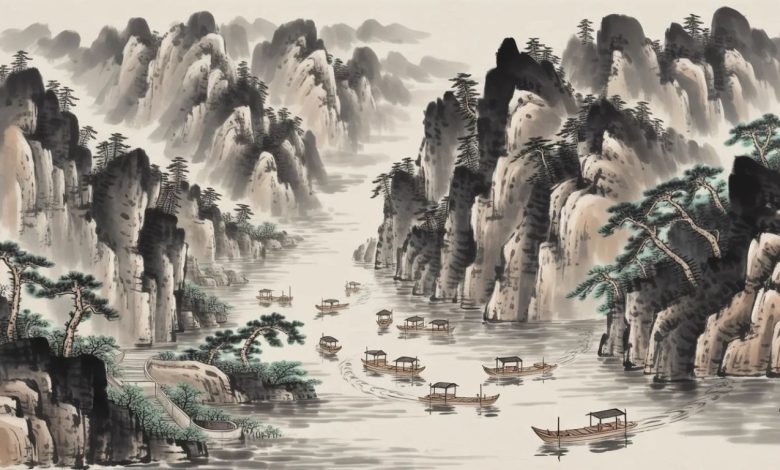
Have you ever wondered how a single river can shape history, define borders, and support millions of lives? That’s exactly what ya lu jiang does. Known in English as the Yalu River, this powerful waterway is more than just flowing water — it’s like a living thread stitching together nature, politics, and culture.
From mountains to sea, from ancient times to modern headlines, ya lu jiang has witnessed it all. In this article, we’ll explore everything about ya lu jiang in simple, clear language so anyone can understand why it matters so much.
What Is Ya Lu Jiang?
Yalu River, known in Chinese as ya lu jiang, is a major river in East Asia. It forms most of the border between China and North Korea.
The river stretches about 795 kilometers (494 miles). It starts in the mountains and flows into the Yellow Sea. Imagine it as a long ribbon of water separating two nations while also connecting them in surprising ways.
Where Is Ya Lu Jiang Located?
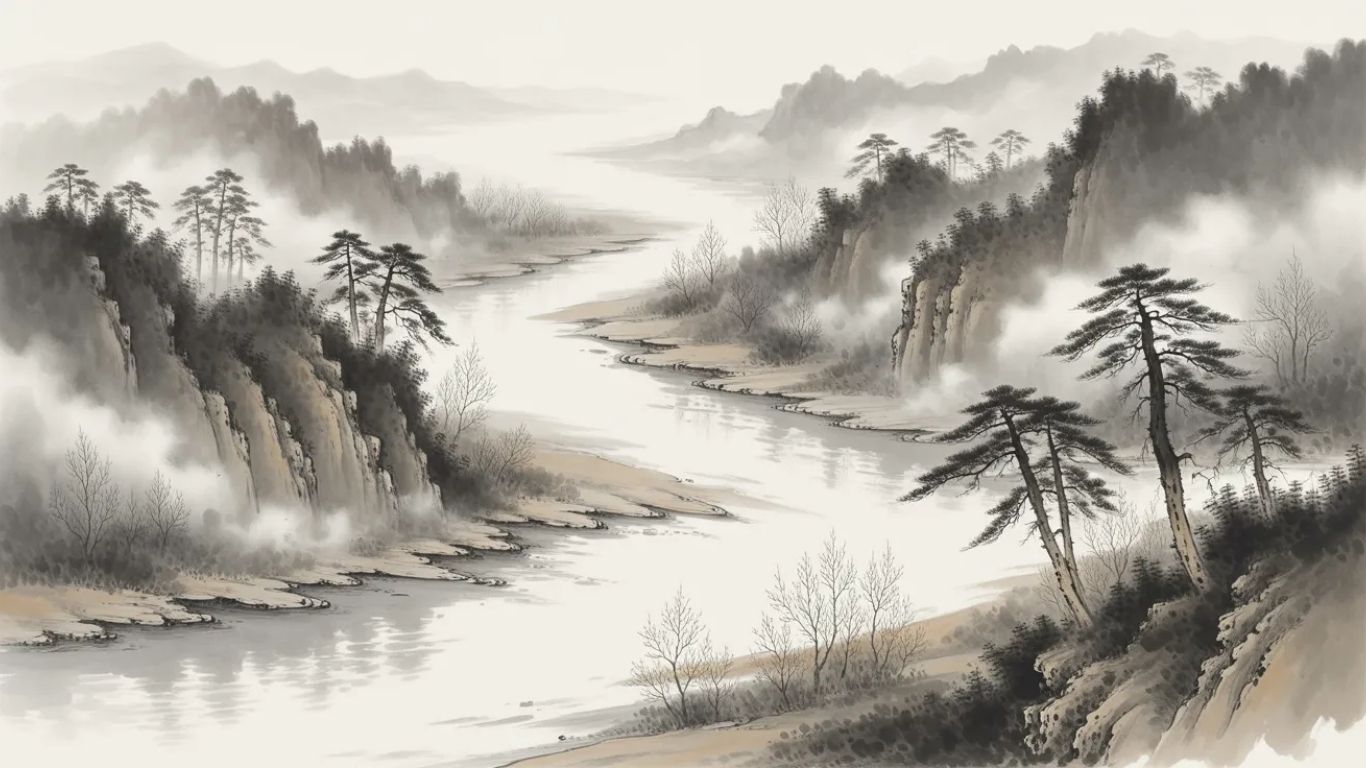
The ya lu jiang begins in the Changbai Mountains. These mountains are high and beautiful, often covered in snow during winter.
From there, the river flows southwest, forming a natural border between northeastern China and North Korea. Finally, it empties into the Yellow Sea near the city of Dandong in China.
Its location makes it politically and geographically important. Rivers often act as natural boundaries, and ya lu jiang is a perfect example of that.
Historical Importance of Ya Lu Jiang
Throughout history, ya lu jiang has been more than just a river. It has served as:
-
A natural defense line
-
A trade route
-
A strategic military location
In ancient times, kingdoms in Korea and China interacted across this river. Trade, cultural exchange, and sometimes conflict all took place along its banks.
Think of it like a stage where different civilizations performed their roles over centuries.
Ya Lu Jiang and the Korean War
One of the most dramatic moments in ya lu jiang’s history came during the Korean War (1950–1953).
When United Nations forces approached the river, China became concerned about security. Chinese troops crossed ya lu jiang to support North Korea. This decision changed the course of the war.
Today, you can still see the Broken Bridge in Dandong. Part of it was destroyed during the war and left as a historical reminder. Standing there, you can almost feel the weight of history in the air.
Natural Beauty and Landscapes
Ya lu jiang is not only about politics and war. It is also stunningly beautiful.
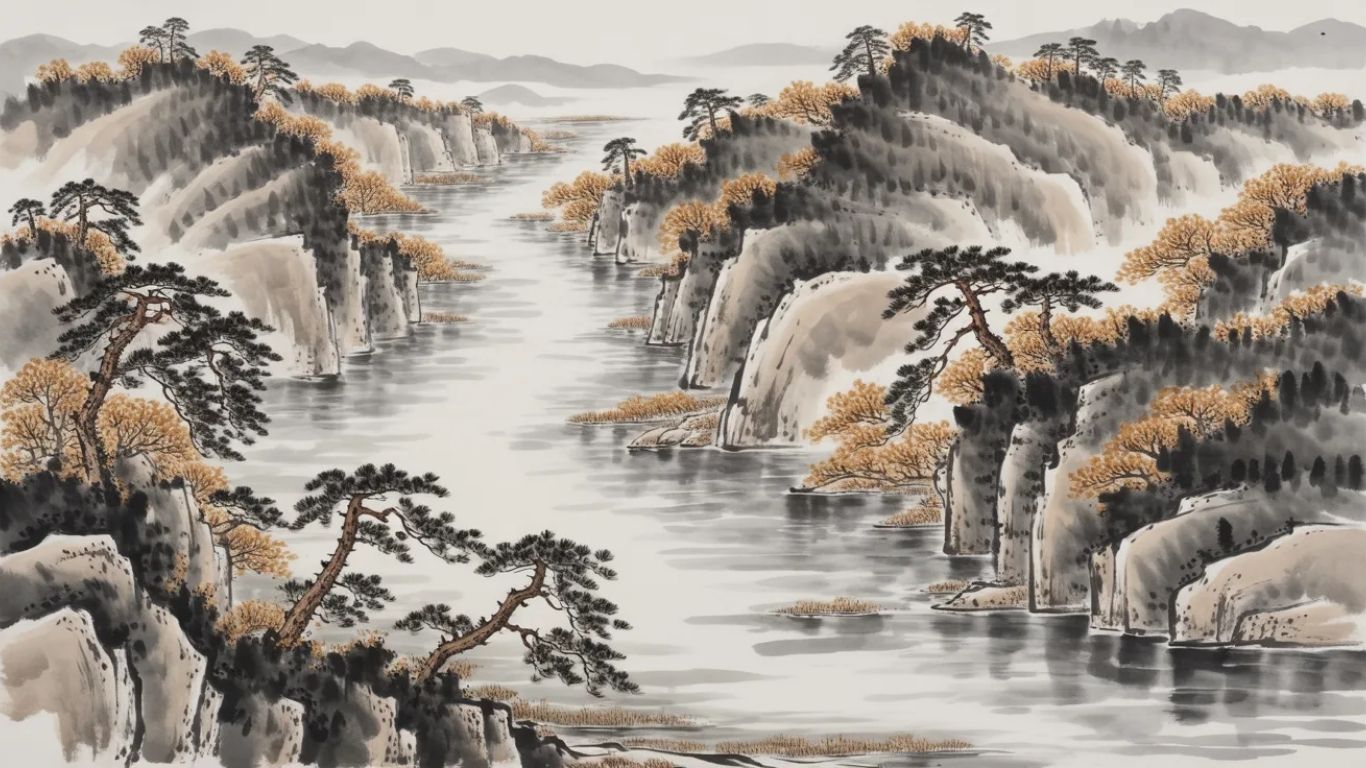
In its upper regions, the river flows through forests and mountains. The water is clear and surrounded by green hills. In autumn, the leaves turn red and gold, making the landscape look like a painting.
Further downstream, the river becomes wider and calmer. The scenery changes from wild mountains to peaceful farmland and cities.
Nature along ya lu jiang feels like a story unfolding chapter by chapter.
Wildlife Around Ya Lu Jiang
The river supports many species of fish and birds. Migratory birds often stop near its wetlands.
Some protected nature reserves are located along ya lu jiang to preserve its ecosystem. These areas are important for maintaining balance in the region.
If you love nature, you would find this river fascinating. It’s not just water — it’s a living system.
Major Cities Along Ya Lu Jiang
One of the most important cities along ya lu jiang is Dandong in China.
Dandong is famous for its view of North Korea across the river. Tourists can stand on the Chinese side and look directly at North Korean towns.
On the other side lies Sinuiju, a key North Korean border city.
These cities depend on ya lu jiang for trade, transportation, and daily life.
Economic Importance of Ya Lu Jiang
Ya lu jiang plays a role in:
-
Hydropower production
-
Fishing
-
Transportation
-
Cross-border trade
There are dams built along the river that generate electricity for both China and North Korea. These dams help power homes and industries.
Without ya lu jiang, the regional economy would look very different.
Bridges Over Ya Lu Jiang
Bridges across ya lu jiang symbolize connection.
The most famous is the Sino-Korean Friendship Bridge. It connects Dandong and Sinuiju and is used for trade.
There is also the New Yalu River Bridge, built to improve economic cooperation, though its use has been limited at times.
Bridges over ya lu jiang are more than concrete and steel — they represent diplomacy and hope.
Tourism and Travel Experience
Visiting ya lu jiang can be a unique experience.
Tourists in Dandong can:
-
Take boat rides on the river
-
Visit the Broken Bridge museum
-
Observe North Korea from across the water
It’s rare in today’s world to stand in one country and clearly see another that feels so mysterious. That alone attracts many curious travelers.
Cultural Significance
Ya lu jiang appears in poems, songs, and historical writings. For many people, it represents separation and unity at the same time.
Imagine a river as a mirror. On one side, one culture. On the other side, another. Yet both share the same flowing water.
That’s the cultural beauty of ya lu jiang.
Environmental Challenges
Like many major rivers, ya lu jiang faces environmental issues.
Pollution from industry and agriculture can affect water quality. Climate change also impacts water levels and ecosystems.
Both China and North Korea must work together to protect this shared resource.
Protecting ya lu jiang is not just about nature — it’s about future generations.
Why Ya Lu Jiang Still Matters Today
Even today, ya lu jiang plays a role in international relations. It remains a sensitive and strategic border area.
In times of political tension, the river becomes a focus of attention. In times of cooperation, it becomes a bridge of opportunity.
That dual role makes ya lu jiang one of the most important rivers in East Asia.
Interesting Facts About Ya Lu Jiang
Here are some quick facts:
-
It is about 795 km long.
-
It forms most of the China–North Korea border.
-
It played a key role in the Korean War.
-
It supports hydropower projects.
-
It attracts tourists curious about North Korea.
Not bad for a river, right?
Conclusion
Ya lu jiang is more than just a geographical feature. It is a symbol of history, conflict, cooperation, and natural beauty. Flowing quietly between China and North Korea, it has witnessed wars, supported economies, and inspired culture.
When you think about ya lu jiang, think of it as a silent storyteller. It doesn’t speak, yet its waters carry centuries of human drama. And even today, it continues to shape the lives of millions.
FAQs
1. What does ya lu jiang mean?
Ya lu jiang is the Chinese name for the Yalu River, which forms the border between China and North Korea.
2. Why is ya lu jiang historically important?
It played a key role during the Korean War and has long served as a natural border and trade route.
3. Can tourists visit ya lu jiang?
Yes, especially in the Chinese city of Dandong, where visitors can see North Korea across the river.
4. How long is ya lu jiang?
The river is approximately 795 kilometers (494 miles) long.
5. Does ya lu jiang still affect international relations?
Yes, because it forms a border between China and North Korea, it remains strategically and politically important.
For More Visit: Thecelebrities


