
Introduction
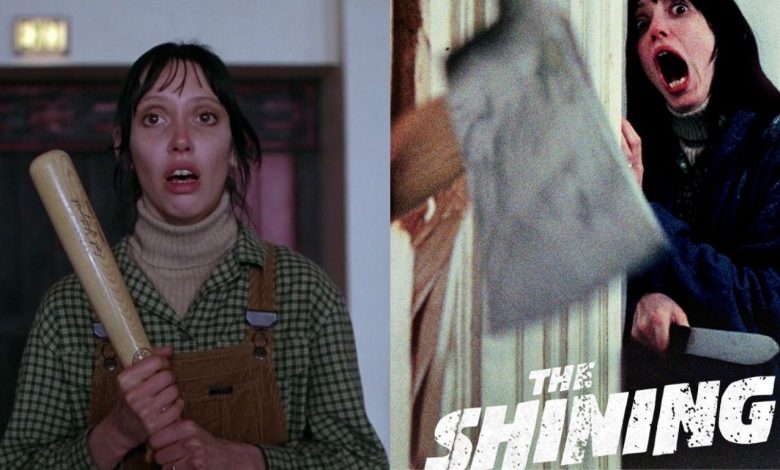
Some movie posters fade with time. Others burn themselves into your memory. The Shining poster belongs firmly in the second group. Even if you’ve never watched the film, chances are you’ve seen that eerie face, those bold colors, and that unsettling expression staring right through you. It’s the kind of image that feels less like an advertisement and more like a warning.
So why does the shining poster still capture attention decades later? What makes it so powerful, so unsettling, and so unforgettable? Let’s dive into the story behind the design, the symbolism, and the cultural impact of one of the most iconic movie posters ever created.
What Is The Shining Poster?
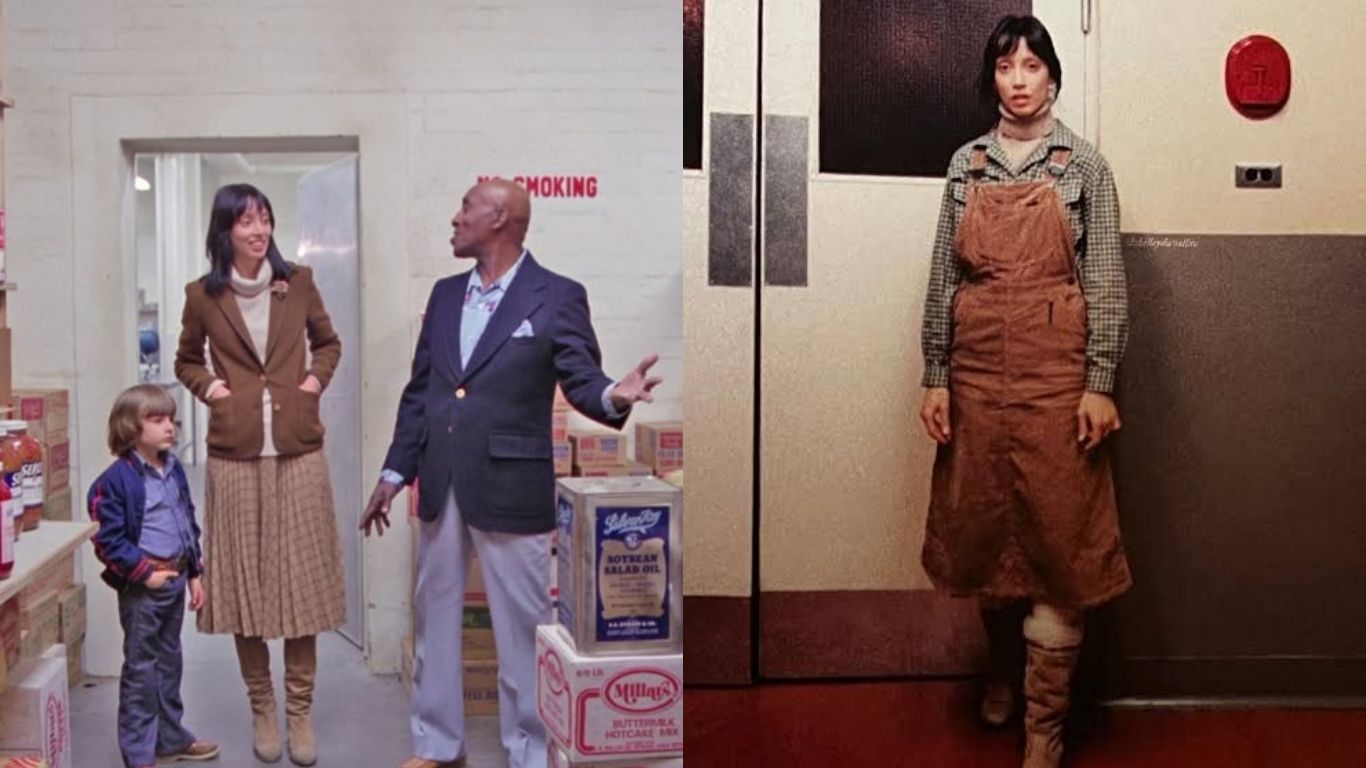
The shining poster is the original promotional artwork created for Stanley Kubrick’s 1980 horror film The Shining. Unlike many movie posters that rely on famous faces or dramatic scenes, this one chose a different path.
It used emotion over explanation, fear over familiarity. Instead of telling you what the movie was about, it made you feel something—and that feeling was deeply uncomfortable.
The Movie Behind the Poster
To understand the shining poster, you need to understand The Shining itself. Based on Stephen King’s novel, the film tells the story of isolation, madness, and psychological terror.
Stanley Kubrick’s approach to horror was slow, quiet, and unsettling. The poster mirrors that approach perfectly. It doesn’t scream. It whispers—and somehow, that’s worse.
First Impressions and Public Reaction
When audiences first saw the shining poster, reactions were mixed. Some found it confusing. Others found it disturbing. Many couldn’t look away.
There were no clear characters, no storyline hints, and no comfort. That was unusual at the time. But curiosity did exactly what it always does—it pulled people closer.
The Iconic Design Explained
The design of the shining poster is deceptively simple. At the center is a distorted face, eyes wide, mouth frozen in a manic expression.
There’s no background scene, no hotel, no axe. Just a face and bold typography. It’s like a jump scare—except it happens in your mind, not on screen.
Color Choices and Their Meaning
One of the most striking elements of the shining poster is its color palette.
-
Yellow dominates the image
-
Black outlines the face
-
Red is used sparingly
Yellow usually represents warmth or happiness, but here it feels sickly and unsettling. It’s like sunshine gone wrong—a perfect visual metaphor for a horror story set in a place meant to feel safe.
The Face That Haunts Viewers
The face on the shining poster isn’t clearly Jack Nicholson, and that’s intentional. It’s not meant to represent a person—it represents madness itself.
The stretched features and empty stare feel inhuman. It’s like looking at someone who has crossed a line and can’t come back. That ambiguity makes the image stick in your mind.
Minimalism That Speaks Loudly
At a time when movie posters were crowded with details, the shining poster chose minimalism.
Think of it like a quiet room before a scream. The lack of detail forces your imagination to fill in the blanks—and your imagination is often scarier than anything shown directly.
Marketing Horror Without Giving It Away
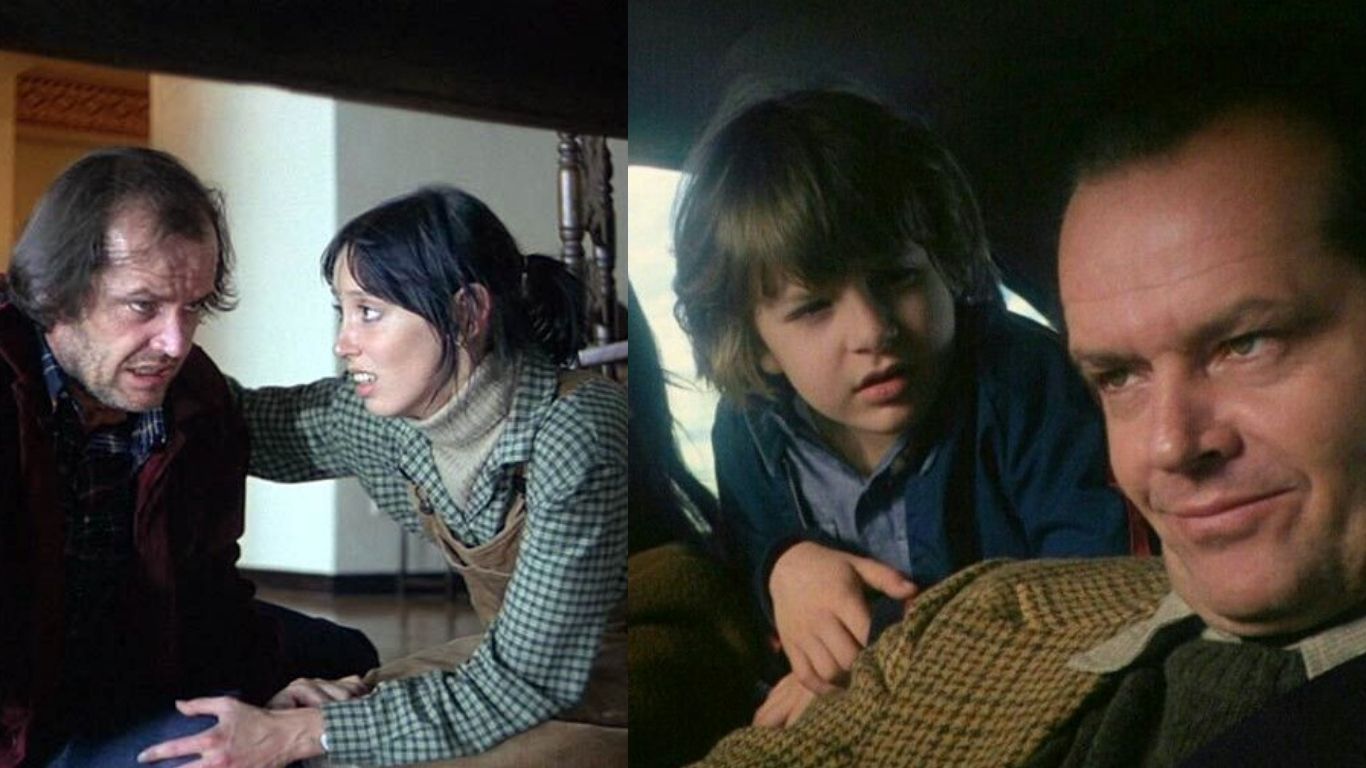
One of the greatest strengths of the shining poster is how little it reveals.
There are no spoilers. No plot hints. Just a promise: something is wrong here. That approach respects the audience and builds anticipation instead of explaining everything upfront.
How The Shining Poster Stands Apart
Compare the shining poster to other horror posters of its era, and the difference is clear.
Most relied on:
-
Dark imagery
-
Scenes from the movie
-
Obvious threats
This poster relied on psychological discomfort. It didn’t show fear—it created it.
Symbolism Hidden in Plain Sight
Every element of the shining poster carries meaning.
-
The distorted face symbolizes loss of control
-
The bold text feels aggressive and intrusive
-
The empty background suggests isolation
It’s visual storytelling at its finest, saying a lot without saying much.
Influence on Modern Movie Posters
You can still see the influence of the shining poster today. Many modern horror posters use:
-
Minimal designs
-
Single disturbing images
-
Bold color contrasts
It set a standard that filmmakers and designers continue to follow decades later.
Why The Shining Poster Still Feels Modern
Despite being over 40 years old, the shining poster doesn’t feel outdated. Its simplicity keeps it timeless.
Trends come and go, but strong ideas last. This poster isn’t tied to a specific era—it’s tied to a feeling, and feelings don’t age.
Collectors and Poster Value
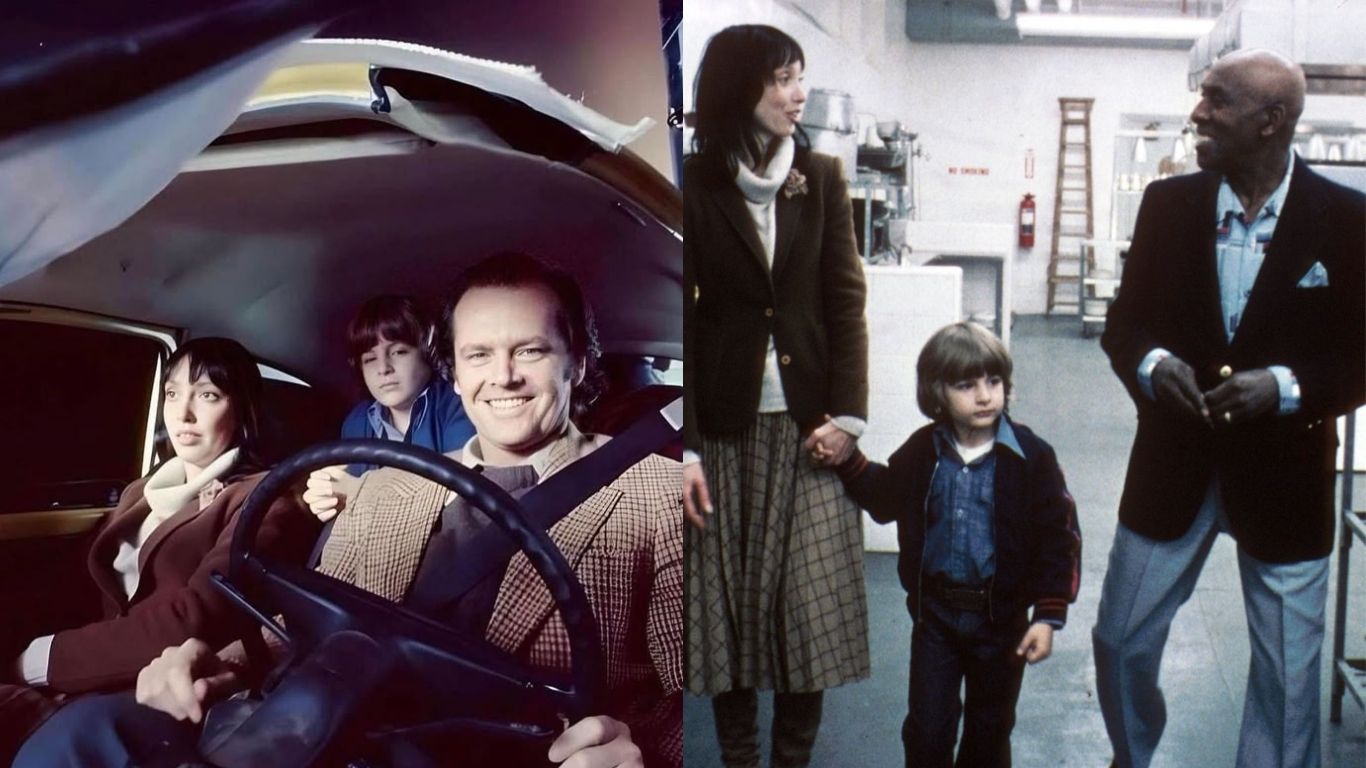
Original prints of the shining poster are highly sought after. Collectors value them not just for rarity, but for cultural importance.
Owning one is like owning a piece of film history—a reminder of when marketing dared to be bold and unsettling.
The Poster in Pop Culture
The shining poster has been referenced, parodied, and recreated countless times. From fan art to modern reinterpretations, its influence can be seen everywhere.
It has become more than a movie poster. It’s a symbol of psychological horror itself.
Why This Poster Refuses to Be Forgotten
So why does the shining poster refuse to fade away?
Because it understands something fundamental: fear doesn’t need explanation. Sometimes, a single image is enough to stay with you forever.
Conclusion
The shining poster is more than a piece of movie marketing. It’s a masterclass in visual storytelling, psychological impact, and timeless design. By choosing emotion over information, it carved out a permanent place in pop culture history.
Decades later, it still stares back at us—silent, unsettling, and unforgettable. And maybe that’s the point. Some images aren’t meant to comfort us. They’re meant to stay with us.
FAQs
1. What makes the shining poster so iconic?
Its minimalist design and unsettling imagery set it apart from traditional movie posters.
2. Who designed the shining poster?
The poster was designed by Saul Bass, a legendary graphic designer.
3. Why is yellow used so heavily in the poster?
Yellow creates discomfort and contrasts with typical horror visuals, making it more disturbing.
4. Is the face on the poster Jack Nicholson?
It’s inspired by the character but intentionally distorted to represent madness rather than a specific person.
5. Why is the shining poster still popular today?
Its timeless design and psychological impact continue to influence modern horror marketing.
For More Visit: Thecelebrities