

Introduction
In today’s world, technology is changing how conflicts are fought, and one term you may have heard more often is the shahed drone. But what exactly is it? Why is it getting so much attention?
Imagine a small flying device that can travel long distances, stay in the air for hours, and carry out missions without a pilot onboard. Sounds like something from a sci-fi movie, right? Yet, this is very much real.
The shahed drone has become a major topic in global news, raising questions about technology, security, and the future of warfare. In this article, we’ll break everything down in a simple, easy-to-understand way.
What Is a Shahed Drone?
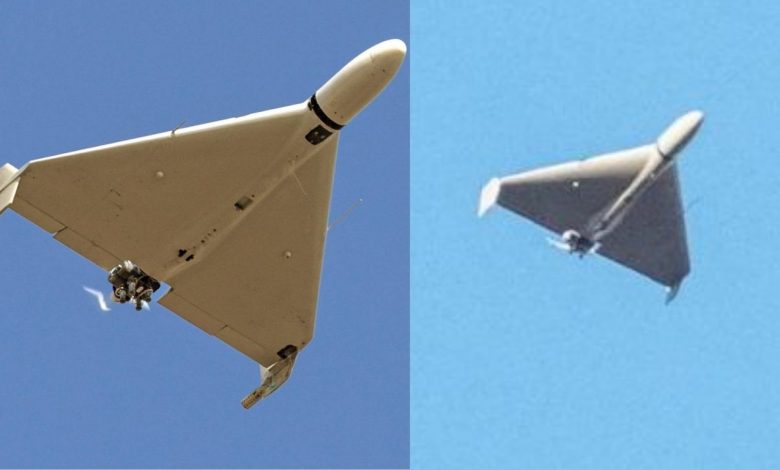
A shahed drone is a type of unmanned aerial vehicle (UAV), meaning it flies without a human pilot onboard.
Key Point:
It is designed to travel long distances and strike targets directly.
Unlike regular drones used for photography or delivery, these are built for military purposes.
Origin and Development
The shahed drone was developed in Iran.
Over time, it has evolved into different versions with improved range, accuracy, and efficiency.
Who Makes the Shahed Drone?
These drones are produced by organizations linked to Iran’s defense industry, including entities like the Islamic Revolutionary Guard Corps.
They play a major role in designing and developing such technology.
Types of Shahed Drones
There are several versions of the shahed drone, but some of the most well-known include:
- Shahed-131
- Shahed-136
Each type has different capabilities, such as range and payload size.
How Shahed Drones Work
So, how does a shahed drone actually function?
Think of it like a guided arrow. Once launched, it follows a pre-programmed path using GPS and onboard systems.
Steps include:
- Launch from a platform
- Navigate using coordinates
- Reach the target
- Strike directly
Key Features and Capabilities
What makes the shahed drone stand out?
- Long range – Can travel hundreds of kilometers
- Low cost – Cheaper than many advanced weapons
- Autonomous operation – Needs little human control
These features make it both effective and widely discussed.
Why They Are Called “Kamikaze Drones”
You might hear the term “kamikaze drone.”
This means the drone is designed to:
- Fly toward a target
- Impact and destroy it
It doesn’t return—just like a one-way mission.
Use in Modern Conflicts
The shahed drone has been used in various conflicts, including those involving Ukraine.
Its use has changed how battles are fought, especially in terms of long-distance attacks.
Advantages of Shahed Drones
Why are these drones gaining attention?
Main advantages include:
- Cost-effective compared to missiles
- Easy to deploy
- Can overwhelm defenses in large numbers
It’s like sending many small waves instead of one big one.
Limitations and Weaknesses
Despite their strengths, they’re not perfect.
Limitations include:
- Slower speed
- Can be detected by air defenses
- Vulnerable to electronic interference
So while effective, they are not unstoppable.
Global Reactions and Concerns
Countries around the world are watching closely.
There are concerns about:
- Security risks
- Spread of drone technology
- Civilian safety
These concerns have led to debates in international forums.
Impact on Modern Warfare
The shahed drone is changing warfare in a big way.
Instead of relying only on expensive weapons, countries can now use:
- Smaller systems
- More flexible strategies
- Remote operations
Key Point:
It’s making warfare more accessible—and more complex.
Ethical Questions Around Drone Use
This technology also raises important ethical questions:
- Is it right to use autonomous weapons?
- What about civilian risks?
- Who is responsible for decisions made by machines?
These are questions the world is still trying to answer.
Future of Drone Technology
The future will likely bring even more advanced drones.
We may see:
- Faster speeds
- Better accuracy
- Smarter AI systems
The shahed drone is just one step in a rapidly evolving field.
Final Thoughts
The shahed drone is more than just a piece of technology—it’s a symbol of how the world is changing.
Like a chess piece that can move across the board without a player’s hand, it represents a new era where machines play a bigger role in decisions and actions.
Understanding it helps us better understand the future—whether we’re ready for it or not.
FAQs
1. What is a shahed drone?
A shahed drone is an unmanned aerial vehicle designed for long-range missions and direct impact on targets.
2. Where is the shahed drone made?
It is developed in Iran.
3. Why is it called a kamikaze drone?
Because it is designed for one-way missions where it strikes the target directly.
4. What are the main types of shahed drones?
Common types include Shahed-131 and Shahed-136.
5. Why is the shahed drone important today?
It has changed modern warfare by offering a low-cost, effective alternative to traditional weapons.