


Introduction
Have you ever come across the word lovelace and paused for a second, wondering, “What does that actually mean?” You’re not alone. The phrase sounds romantic, old-fashioned, and a little mysterious all at once. That’s exactly why so many people search for lovelace meaning.
Sometimes it appears as a surname. Other times it’s used to describe a person. And occasionally, it pops up in literature, history, or even pop culture. Like a word wearing different outfits depending on the occasion, lovelace can mean more than one thing.
In this article, we’ll unpack the lovelace meaning step by step—clearly, simply, and without confusing language.
Lovelace Meaning Explained
At its core, the lovelace meaning refers to a person known for romantic charm, flirtation, or pursuit of love, often with many partners.
Traditionally, a lovelace describes someone—usually a man—who is smooth, persuasive, and skilled in romance. Think of someone who knows exactly what to say and when to say it.
Origin of the Word Lovelace
The word lovelace originally comes from literature, not casual speech.
It gained popularity from Robert Lovelace, a character in Samuel Richardson’s 1748 novel Clarissa. This fictional character became the blueprint for what the term would later represent.
Like a character casting a long shadow, his traits followed the name into everyday language.
Lovelace as a Surname
Before it became a descriptive term, Lovelace was—and still is—a surname.
As a family name, it has English roots and does not automatically carry a romantic or negative meaning. Many people with the last name Lovelace have no connection to the personality type associated with the word.
Lovelace Meaning in Literature
In classic literature, the lovelace meaning often leans toward a charming but morally questionable romantic figure.
These characters are usually:
-
Well-spoken
-
Confident
-
Emotionally persuasive
But they may also be manipulative. In stories, a lovelace can feel like a beautifully wrapped gift that hides thorns inside.
The “Lovelace” Personality Trait
When used to describe behavior, a lovelace is someone who:
-
Enjoys romantic attention
-
Flirts easily
-
Moves quickly from one love interest to another
It’s not always meant as an insult, but it can carry a warning tone—like saying, “Be careful with that one.”
Lovelace vs Romantic Person
Here’s where things get interesting.
A romantic person values emotional connection and commitment.
A lovelace, traditionally, enjoys the chase more than the bond.
If romance is a slow dance, a lovelace prefers spinning across the floor, never staying in one place for long.
Historical Figures Named Lovelace
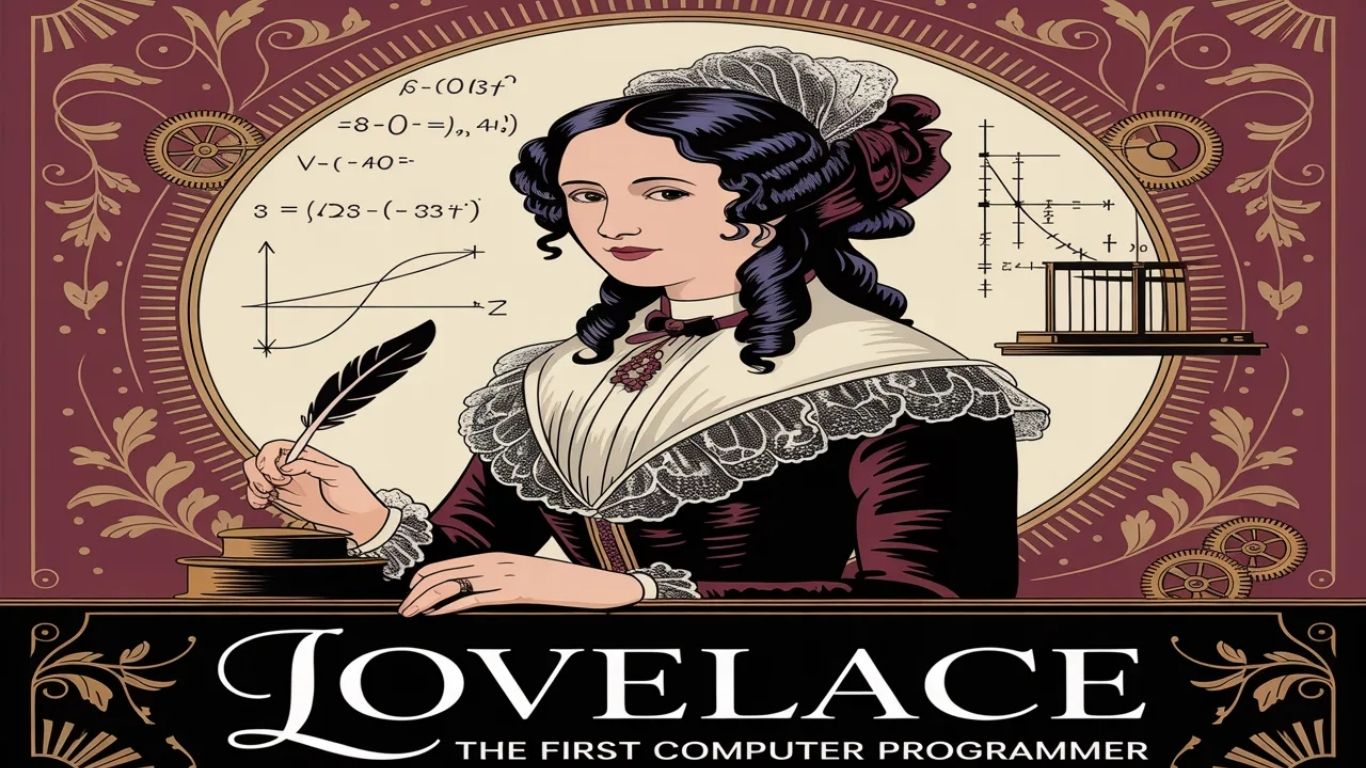
Some real historical figures carried the surname Lovelace, which sometimes causes confusion about lovelace meaning.
The name itself does not define behavior. History simply borrowed the name from fiction and turned it into a label.
Ada Lovelace and a Different Meaning
One of the most famous people with the name is Ada Lovelace, the 19th-century mathematician often called the world’s first computer programmer.
In her case, the lovelace meaning has nothing to do with romance. Instead, it represents intelligence, creativity, and innovation.
This contrast shows how context matters more than the word itself.
Lovelace Meaning in Modern Language
Today, the term lovelace isn’t used as often in daily conversation. However, when it does appear, it usually means:
-
A charming flirt
-
A smooth talker
-
A serial romantic
It’s more likely to appear in writing, reviews, or playful descriptions than in serious discussions.
Is Lovelace a Positive or Negative Term
The answer? It depends.
-
Positive view: Confident, charming, socially skilled
-
Negative view: Unreliable, manipulative, emotionally careless
Like fire, it can warm a room—or burn it down—depending on how it’s used.
Lovelace in Popular Culture
The lovelace archetype still appears in:
-
Movies
-
TV shows
-
Romance novels
Characters who sweep others off their feet but struggle with commitment often fit the modern version of the lovelace meaning.
Common Misunderstandings
Some people believe:
-
Lovelace means “someone in love”
-
Lovelace always refers to a villain
Both are incorrect. The term is more nuanced and heavily shaped by context.
How Context Changes the Meaning
Context is everything.
-
As a surname, lovelace is neutral
-
As a literary term, it’s descriptive
-
As a personality label, it’s often cautious
This flexibility is why the lovelace meaning can feel confusing at first.
Why People Still Search Lovelace Meaning
People continue to search lovelace meaning because:
-
The word sounds romantic
-
It appears in books and names
-
Its meaning isn’t obvious
It’s a word that invites curiosity, like a locked diary begging to be opened.
Final Understanding of Lovelace Meaning
So, what’s the simplest way to explain it?
Lovelace meaning: a term describing a charming romantic pursuer, often associated with flirtation rather than lasting commitment—unless it’s being used as a surname or historical reference.
Conclusion
The word lovelace is more than just a name or a label—it’s a story shaped by literature, history, and culture. Whether you encounter it in a book, a surname, or a description of someone’s personality, understanding the lovelace meaning helps you read between the lines. Like many old words, its power lies in context—and now, you know exactly how to spot it.
FAQs
1. What is the lovelace meaning in simple terms?
It usually means a charming flirt or romantic pursuer.
2. Is lovelace a negative word?
Not always—it can be playful or critical depending on context.
3. Does lovelace only describe men?
Traditionally yes, but modern usage can apply to anyone.
4. Is Lovelace just a surname?
It can be both a surname and a descriptive term.
5. Is Ada Lovelace related to the lovelace meaning?
Only by name—her legacy is intellectual, not romantic.
For More Visit: Thecelebrities


