

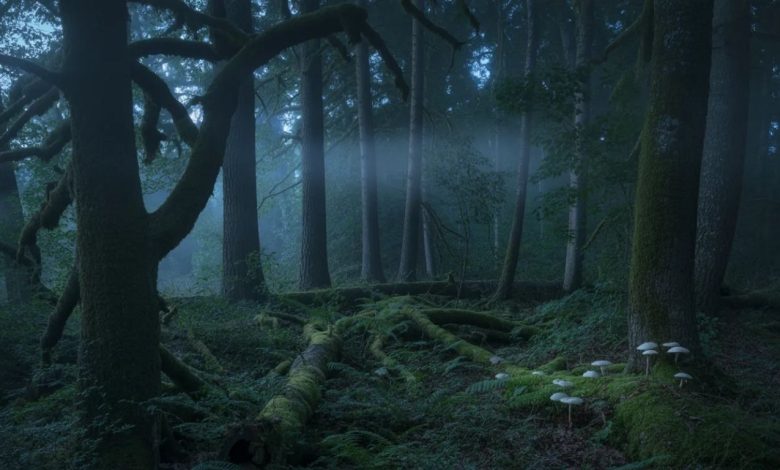
Have you ever heard the phrase “in a dark dark wood” and felt a little chill run down your spine? It’s one of those lines that instantly pulls you into a story. It feels old, mysterious, and full of promise—like the opening of a secret door you’re not sure you should step through, but you really want to.
This simple phrase has traveled through fairy tales, horror stories, novels, and even pop culture. It has become a symbol of fear, curiosity, danger, and discovery. In this article, we’ll take a friendly walk through the meaning, history, symbolism, and modern uses of in a dark dark wood—and why it still matters today.
What Does “In a Dark Dark Wood” Mean?
At its core, in a dark dark wood describes a place that feels unknown, scary, and full of danger. But it’s more than just trees and shadows. It’s a mood. A feeling. A warning sign that something important—or terrible—is about to happen.
Writers use this phrase to:
-
Build tension
-
Create mystery
-
Signal danger or change
It’s like the deep breath you take before opening a door labeled “Do Not Enter.”
The Origins of the Phrase

The phrase comes from old campfire stories and oral traditions. People would begin scary tales with lines like:
“In the middle of a dark, dark wood, there was a dark, dark house…”
These stories were meant to be told aloud, slowly, letting fear grow with every word. The repeated word dark made listeners lean in closer, their imaginations filling in the blanks.
Why Woods Are So Scary in Stories
Forests have always been places of danger and mystery. Before streetlights and GPS, getting lost in the woods was a real fear.
Key reasons woods feel scary:
-
You can’t see far ahead
-
Sounds echo strangely
-
It’s easy to get lost
-
Wild animals may be nearby
So when a story begins in a dark dark wood, your brain instantly goes into alert mode.
Symbolism Behind the Dark Wood
The dark wood often represents:
-
The unknown
-
Fear
-
Secrets
-
Personal struggles
Think of it as a symbol for any hard time in life. Losing a job, ending a relationship, or facing illness can all feel like walking through a dark dark wood with no map.
In a Dark Dark Wood in Fairy Tales
Classic fairy tales love dark forests.
Examples include:
-
Little Red Riding Hood
-
Hansel and Gretel
-
Snow White
In each story, the woods are where danger lives—but also where characters grow and change.
The forest tests them. And if they survive, they come out stronger.
Modern Literature and the Phrase
Today, in a dark dark wood appears in novels, thrillers, and horror books.
One famous example is Ruth Ware’s novel In a Dark, Dark Wood. It uses the phrase to hint at secrets, danger, and emotional tension.
Modern writers still love it because it’s:
-
Short
-
Emotional
-
Instantly atmospheric
Psychological Meaning of Dark Woods
Psychologists say humans fear what they can’t see or understand. Darkness hides threats. Woods block vision.
So the dark wood becomes a perfect mental symbol for:
-
Anxiety
-
Depression
-
Trauma
-
Confusion
It’s the place your mind goes when life feels overwhelming.
Why We Love Scary Stories

Let’s be honest—why do we enjoy being scared?
Because fear in stories is safe. It’s like riding a roller coaster. You scream, your heart races, but deep down you know you’re okay.
Scary stories help us:
-
Face fears
-
Feel excitement
-
Explore dark ideas safely
That’s why stories that start in a dark dark wood are so irresistible.
Metaphors: Life as a Dark Wood
Here’s a simple metaphor:
Life is a long road, and sometimes that road runs straight through a dark dark wood.
We all face moments where we don’t know what comes next. Those moments are our personal dark woods.
The good news? Every forest has an edge. If you keep walking, you’ll find the light again.
Pop Culture References
The phrase shows up in:
-
Horror movies
-
Children’s books
-
Halloween stories
-
Podcasts
It has become a storytelling shortcut for “Something creepy is about to happen.”
Writing Your Own Dark Wood Story
Want to write your own tale?
Tips:
-
Start slow
-
Use simple words
-
Build tension gradually
-
Focus on mood
Begin with:
“In a dark dark wood, where no birds sang
That’s all it takes to hook a reader.
Lessons Hidden in the Darkness

Stories set in dark woods often teach us that:
-
Fear can be faced
-
Growth comes from struggle
-
Courage matters
The darkness isn’t the end. It’s part of the journey.
Why the Phrase Still Works Today
Even in a world of smartphones and bright cities, we still fear the unknown.
That’s why in a dark dark wood still hits home. It speaks to a timeless human feeling: uncertainty.
Final Thoughts on In a Dark Dark Wood
So what makes in a dark dark wood so powerful?
It’s simple. It’s emotional. And it taps into something deep inside us.
It reminds us that life has scary chapters—but also brave ones.
Conclusion
The phrase in a dark dark wood has lasted for generations because it captures a universal feeling: fear of the unknown. Whether in fairy tales, modern novels, or real life struggles, the dark wood represents the hard moments we all face.
But here’s the hopeful part—every story that begins in darkness has the chance to end in light. And maybe that’s why we keep returning to this haunting, beautiful phrase again and again.
FAQs
1. What does “in a dark dark wood” symbolize?
It symbolizes fear, mystery, and the unknown parts of life.
2. Where did the phrase “in a dark dark wood” come from?
It comes from old oral storytelling traditions and campfire horror tales.
3. Why are forests used so often in scary stories?
Because they are dark, confusing, and naturally frightening places.
4. Is “in a dark dark wood” used in modern books?
Yes, especially in thrillers and horror novels.
5. Can the dark wood represent personal struggles?
Absolutely. It often symbolizes emotional or mental challenges.
For More Visit: Thecelebrities


