

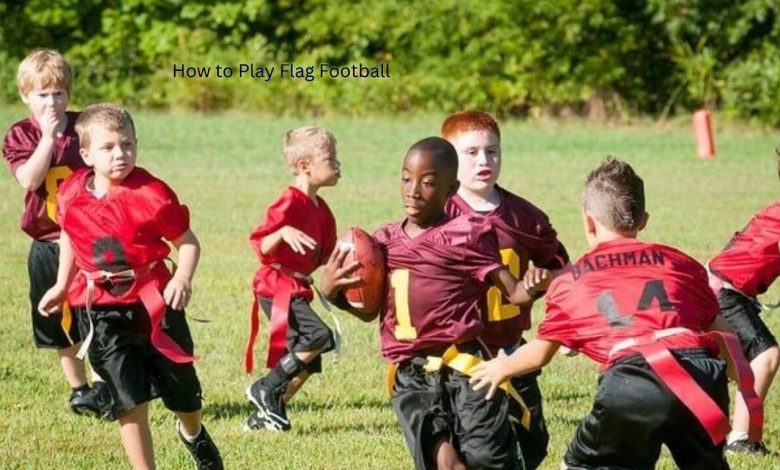
Have you ever watched a fast-paced football game and thought, “That looks fun—but maybe a little too intense for me?” If yes, then flag football might be exactly what you’re looking for.
Learning how to play flag football is easier than you might think. It keeps the excitement of traditional football but removes the heavy contact. Instead of tackling players to the ground, you pull a flag from their belt. Simple, safe, and surprisingly competitive!
Think of flag football like riding a bicycle with training wheels before joining a road race—it teaches the essentials while keeping things friendly and accessible. Whether you’re playing in school, with friends at the park, or joining a local league inspired by the National Football League’s growing support for youth programs, this guide will help you get started confidently. 🏈
Let’s break everything down step by step.
What Is Flag Football?
Flag football is a non-contact version of American football.
Instead of tackling opponents, defenders stop a play by pulling a flag from the ball carrier’s belt. This makes the game:
- safer
- easier to learn
- suitable for all ages
- perfect for beginners
Because there’s less physical contact, players can focus more on speed, teamwork, and smart movement.
That’s one reason communities worldwide are adopting flag football so quickly.
Why Flag Football Is So Popular
So why are more people learning how to play flag football today?
Here’s why:
It’s safer than tackle football
Anyone can play regardless of experience
Minimal equipment is required
Games are fast and exciting
It’s also a fantastic way to stay active without worrying about heavy collisions.
Imagine playing tag—but with strategy. That’s flag football in a nutshell.
Basic Equipment Needed
One of the best things about flag football is how little equipment you need.
Here’s what players usually use:
Flag belt with detachable flags
Comfortable athletic clothing
Football
Cleats or running shoes
Some leagues may also require:
Mouthguards
Team jerseys
That’s it. No helmets. No pads. Just play.
Number of Players on Each Team
Flag football teams can vary in size depending on the league or location.
Common formats include:
5 vs 5 players
7 vs 7 players
8 vs 8 players
The 5-player format is especially popular for beginners because it keeps the game simple and fast.
Fewer players means more chances for everyone to touch the ball!
Field Layout Explained
A flag football field is smaller than a traditional football field.
Typical features include:
Two end zones
Midfield line
Starting yard markers
Most recreational games use:
- 25–30 yards width
- 50–70 yards length
This smaller field keeps the game energetic and easier to manage.
Objective of the Game
The goal is simple:
Move the ball down the field and score touchdowns.
Teams do this by:
- passing the ball
- running the ball
- avoiding defenders
Defenders try to stop progress by pulling flags.
Once the flag is pulled, the play ends immediately.
Basic Rules Every Beginner Should Know
If you’re learning how to play flag football, start with these key rules.
No tackling allowed
Flag pull stops the play
Quarterback usually cannot run immediately
Each team gets limited attempts (downs)
Forward passes allowed once per play
Most leagues allow:
4 downs to reach midfield
4 more downs to score
This structure keeps games moving quickly.
Understanding Player Positions
Even though flag football is simpler than tackle football, positions still matter.
Common roles include:
Quarterback
Throws passes and leads the offense.
Center
Snaps the ball to start each play.
Receivers
Run routes and catch passes.
Running Back
Carries the ball forward.
Defenders
Pull flags and stop plays.
Think of positions like parts of a puzzle—each piece helps complete the picture.
How to Start a Flag Football Game
Games usually begin with a coin toss.
The winning team chooses:
Possession of the ball
or
Which side of the field to defend
The offensive team starts from its own side and attempts to move forward.
Each play begins with a snap from the center to the quarterback.
Simple and organized.
Scoring System in Flag Football
Scoring works similarly to traditional football but with slight differences.
Typical scoring includes:
Touchdown = 6 points
Extra point (short distance) = 1 point
Extra point (long distance) = 2 points
Some leagues also include:
Safety = 2 points
These scoring options add strategy and excitement to every drive.
Offensive Strategies for Beginners
A strong offense doesn’t rely only on speed—it uses smart movement.
Here are beginner-friendly strategies:
Short passing plays
Easy to complete and safe.
Quick receiver routes
Create space quickly.
Fake handoffs
Confuse defenders.
Spread formations
Give receivers room to move.
Think of offense like planning a road trip—you need direction, timing, and teamwork.
Defensive Strategies That Work
Defense wins games—even in flag football.
Simple defensive tips include:
Stay between runner and end zone
Watch the quarterback’s eyes
Move as a team
Pull flags quickly but safely
Many beginners chase the ball too aggressively.
Smart defenders stay patient.
Patience beats panic every time.
Common Mistakes New Players Make
Everyone makes mistakes while learning how to play flag football.
Here are the most common ones:
Forgetting to protect flags
Keep them visible but secure.
Running sideways too often
Move forward when possible.
Throwing risky passes
Safer throws work better.
Ignoring teamwork
Football is never a solo sport.
Learning from mistakes makes improvement faster.
Safety Tips While Playing
Even though flag football is safer than tackle football, safety still matters.
Follow these tips:
Warm up before playing
Wear proper shoes
Stay hydrated
Avoid rough contact
Respect other players and the game stays enjoyable for everyone.
Safety keeps the fun going longer. 😊
How to Practice and Improve Quickly
Want to get better faster?
Try these practice ideas:
Practice passing accuracy daily
Run short sprint drills
Work on flag-pulling speed
Play small friendly matches
Even 20 minutes of practice can improve your performance noticeably.
Consistency beats intensity.
Conclusion: Start Playing Flag Football Today
Now that you understand how to play flag football, you’re ready to step onto the field with confidence.
This sport combines speed, teamwork, strategy, and fun—without the heavy contact of traditional football. Whether you’re playing with friends in a park or joining a weekend league, flag football is one of the easiest sports to start and one of the hardest to stop enjoying once you begin.
So grab a ball, gather a few friends, and give it a try. Your first touchdown might be closer than you think. 🏈
FAQs About How to Play Flag Football
1. How many players are needed to play flag football?
Most games use 5 to 7 players per team, though formats can vary depending on the league.
2. Is flag football safe for beginners?
Yes, flag football is considered safer than tackle football because players stop plays by pulling flags instead of tackling.
3. Can the quarterback run in flag football?
Some leagues allow it after a delay, while others restrict immediate quarterback runs depending on rules.
4. What is the main objective in flag football?
The goal is to move the ball down the field and score touchdowns while preventing the opposing team from doing the same.
5. What equipment do I need to start playing flag football?
You typically need a football, flag belt, comfortable sports clothing, and athletic shoes to begin playing.
For More Visit: Thecelebrities


