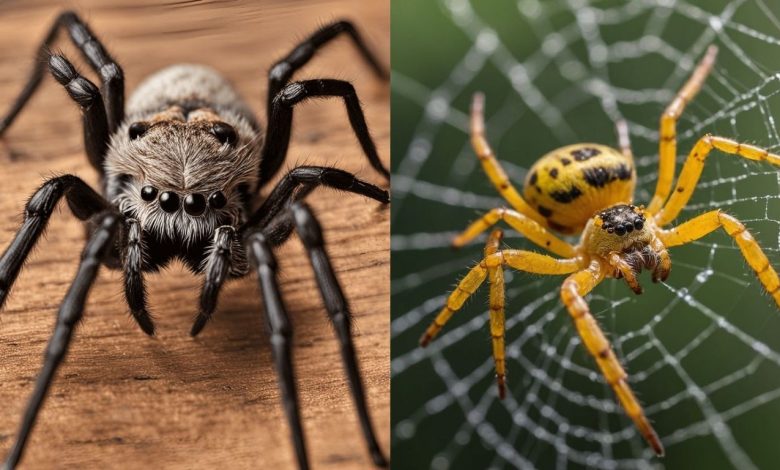
What Are Jumping Spiders?
Jumping spiders belong to a family of spiders known as Salticidae. These spiders are famous for their incredible jumping ability and large forward-facing eyes.
Key characteristics include:
- Small size (usually under half an inch)
- Excellent vision
- Quick jumping movements
- Curious behavior
Unlike many spiders, jumping spiders don’t rely on webs to catch prey. Instead, they stalk insects like tiny hunters before leaping to capture them.
It’s almost like watching a miniature tiger stalking its dinner—just on a much smaller scale.
Do Jumping Spiders Bite Humans?
Let’s answer the big question directly: do jumping spiders bite humans?
Yes, they can bite, but it’s extremely rare.
Jumping spiders usually bite only if they:
- Feel threatened
- Are accidentally pressed against skin
- Are handled roughly
In most cases, they prefer to escape rather than defend themselves.
So while the answer to “do jumping spiders bite” is technically yes, it’s not something that commonly happens.
Why Jumping Spiders Might Bite
Spiders bite mainly for defense.
A jumping spider might bite if:
It feels trapped
For example, if it gets stuck inside clothing or shoes.
Someone tries to pick it up
Handling spiders can make them feel threatened.
Accidental contact
Sometimes people unknowingly press a spider against their skin.
In other words, biting is a last resort for them—much like how a shy animal might bite only if cornered.
Are Jumping Spider Bites Dangerous?
One of the biggest fears people have about spiders is venom.
Here’s the good news.
Jumping spider venom is not dangerous to humans.
Their venom is designed to paralyze small insects, not people.
For humans, the effects are usually mild and similar to:
- A mosquito bite
- A small bee sting
- A minor skin irritation
Serious reactions are extremely rare.
What a Jumping Spider Bite Feels Like
Many people who experience a jumping spider bite say it feels like a small pinch or sting.
Some people barely notice it.
Others may feel:
- Mild stinging
- Slight burning
- Minor itching
The discomfort usually fades quickly.
Imagine brushing against a thorn while gardening—that’s about the level of sensation most people report.
Symptoms of a Jumping Spider Bite
If someone does get bitten, symptoms are typically mild.
Common symptoms include:
- Small red bump
- Slight swelling
- Mild itching
- Minor tenderness
These symptoms usually disappear within a few hours or days.
If unusual symptoms occur, it’s always best to seek medical advice—but severe reactions are extremely uncommon.
How Rare Are Jumping Spider Bites?
Despite the curiosity around the question “do jumping spiders bite,” actual bites are quite rare.
Why?
Because jumping spiders prefer to:
- Hide
- Run away
- Jump to safety
They’re naturally cautious creatures.
In fact, many people handle jumping spiders without ever experiencing a bite.
What to Do If a Jumping Spider Bites You
If a jumping spider does bite, there’s usually no need to panic.
Simple first aid steps include:
1. Wash the area
Use soap and water to clean the bite.
2. Apply a cold compress
This can reduce swelling.
3. Use anti-itch cream if needed
This helps relieve itching.
In most cases, the bite heals quickly without any problems.
Where Jumping Spiders Usually Live
Jumping spiders are found almost everywhere in the world.
They commonly live in:
- Gardens
- Forests
- Homes
- Windowsills
- Outdoor walls
Because they hunt insects, they often stay in places where prey is easy to find.
If you’ve ever seen a small spider watching you curiously from a wall, there’s a good chance it was a jumping spider.
Why Jumping Spiders Jump
Jumping spiders don’t jump randomly.
They use their jumps for several purposes:
Hunting prey
They leap onto insects.
Escaping danger
A quick jump helps them avoid predators.
Exploring their surroundings
These spiders are surprisingly curious.
Their jumps are powered by hydraulic pressure in their legs, allowing them to leap many times their body length.
Benefits of Having Jumping Spiders Around
Believe it or not, jumping spiders can actually be helpful.
They eat many common pests, including:
- Mosquitoes
- Flies
- Moths
- Small insects
Think of them as tiny pest-control experts living in your home or garden.
Instead of being a problem, they often help keep insect populations under control.
How to Avoid Being Bitten
Even though bites are rare, you can reduce the chances even further.
Helpful tips include:
- Avoid handling spiders
- Shake out clothing left on the floor
- Use gloves while gardening
- Gently relocate spiders instead of squishing them
Respecting their space is usually enough to avoid problems.
Common Myths About Jumping Spiders
Jumping spiders are surrounded by several myths.
Myth 1: They attack people
In reality, they prefer to avoid humans.
Myth 2: They are highly venomous
Their venom is harmless to people.
Myth 3: They jump on humans to bite
They usually jump to escape, not attack.
Understanding these facts can help reduce unnecessary fear.
Interesting Facts About Jumping Spiders
Jumping spiders are actually fascinating creatures.
Amazing facts include:
- They have excellent eyesight compared to other spiders.
- Some species perform dance-like courtship rituals.
- They can recognize and track moving objects.
- Certain species are incredibly colorful.
Scientists often study jumping spiders because of their unique vision and intelligence.
Final Thoughts on Do Jumping Spiders Bite
So, do jumping spiders bite?
Yes, they can—but it’s extremely rare and usually harmless.
These tiny spiders are far more interested in hunting insects than bothering people. In many cases, they actually help us by controlling pests around homes and gardens.
Instead of thinking of them as frightening creatures, it might be better to see them as tiny guardians of your space, quietly keeping bug populations in check.
The next time you see a jumping spider watching you with its curious eyes, remember: it’s probably just exploring its surroundings—not planning an attack.
FAQs
1. Do jumping spiders bite humans often?
No, jumping spider bites are very rare because these spiders usually run or jump away instead of defending themselves.
2. Is a jumping spider bite dangerous?
No. Their venom is very mild and generally causes only minor irritation similar to a mosquito bite.
3. What should I do if a jumping spider bites me?
Wash the bite with soap and water, apply a cold compress, and use anti-itch cream if needed.
4. Why do jumping spiders jump at people?
They usually aren’t jumping at people. Most of the time they are jumping to escape or reach another surface.
5. Are jumping spiders helpful to have around?
Yes. Jumping spiders eat many pests like flies and mosquitoes, making them beneficial for homes and gardens.