
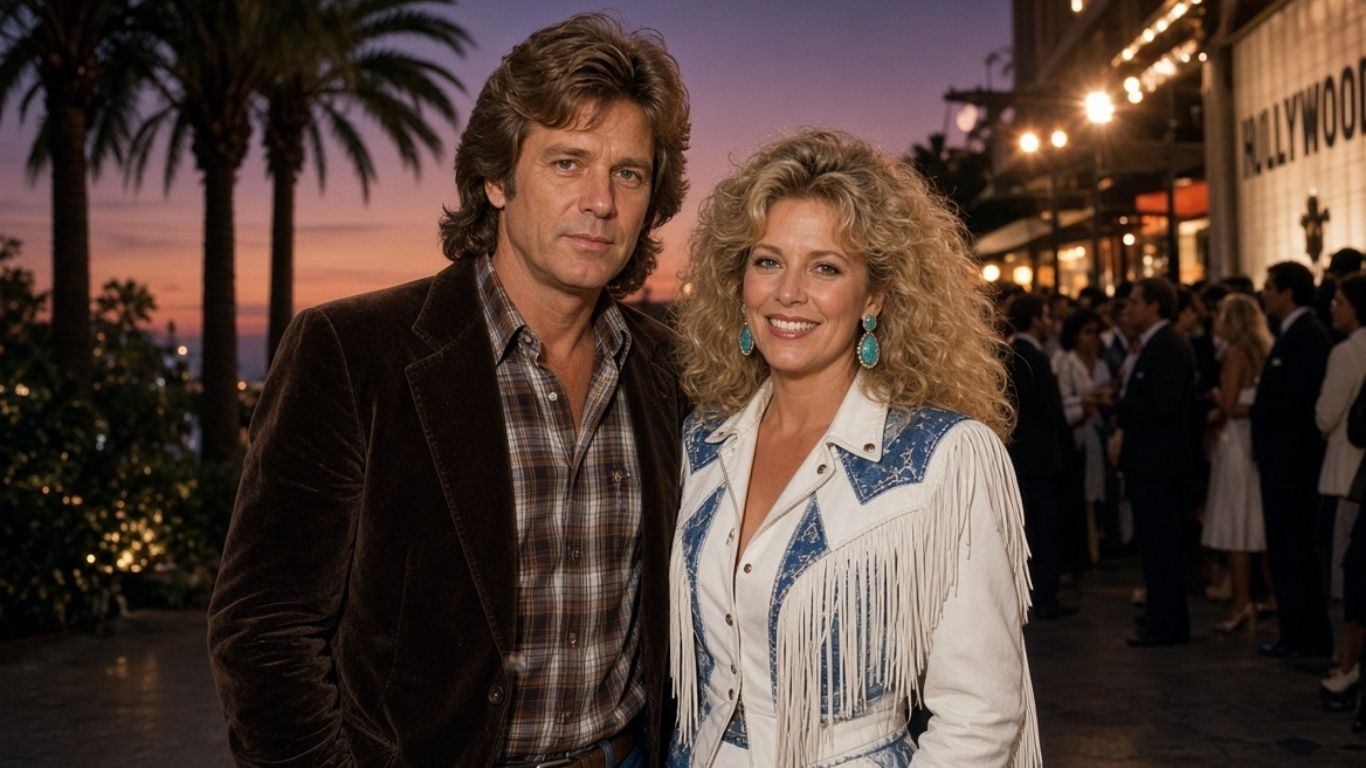
Stanley Fimberg stands as a compelling figure whose professional path has spanned the rigorous worlds of law, large-scale real estate investment, and independent film production. Born in an era of profound American transformation, stanley fimberg built a career defined by intellectual precision, strategic adaptability, and sustained achievement across decades. His story reflects a rare ability to excel in highly competitive arenas while maintaining a largely private personal presence.
Early Life and Education
Stanley Robert Fimberg entered the world on May 15, 1934, in Brooklyn, New York. Growing up in a borough known for its dense energy and cultural diversity, he developed an early appreciation for education and disciplined effort. After completing his undergraduate studies, he earned a Bachelor of Arts degree in political science from the University of California, Los Angeles in 1955. Shortly thereafter, stanley fimberg fulfilled his military obligation by serving in the United States Army from 1955 to 1957. That period of service reinforced habits of structure and responsibility that would later characterize his professional approach.
Upon completing his military duties, he returned to UCLA to pursue legal training. At the UCLA School of Law he distinguished himself with exceptional academic performance, graduating first in his class in 1960 with a Bachelor of Laws degree. He also served as editor-in-chief of the UCLA Law Review, a position that demanded both scholarly rigor and editorial leadership. These formative years established the analytical foundation upon which stanley fimberg would construct successive careers.
Legal Career and Transition to Real Estate
Following law school, stanley fimberg began his professional life at the prominent Los Angeles firm O’Melveny & Myers. He later moved to Washington, D.C., where he worked on international tax matters for the United States Treasury Department. Returning to Los Angeles in 1965, he became a partner in a successful entertainment law practice, representing clients within the film and television industries. The combination of corporate, governmental, and entertainment experience gave him a broad understanding of complex transactions and regulatory environments.
In 1970, stanley fimberg made a decisive career shift. He left full-time legal practice to concentrate on real estate investment. Over the ensuing decades he founded and led a series of private companies, including Capital Asset Management, Ltd., Stanley R. Fimberg, Ltd., Fimberg & Williams, and ultimately FSC Realty, LLC, where he has served as managing member. Through these entities, stanley fimberg specialized in multi-family residential properties while also acquiring and managing shopping centers, industrial facilities, and office buildings. His activities extended across more than thirty-eight states. Cumulative transactions associated with the firms he headed have exceeded three billion dollars and have encompassed more than forty-two thousand apartment units along with approximately 5.8 million square feet of commercial space.
The scale of this work required continuous negotiation of acquisitions, financing arrangements, property management, and debt restructuring. stanley fimberg’s legal background proved especially valuable in navigating the intricate documentation and regulatory frameworks that accompany institutional real estate. His approach emphasized careful underwriting, long-term asset stewardship, and disciplined capital allocation rather than speculative excess.
Film Production and Creative Involvement
Although real estate formed the core of his later professional life, stanley fimberg also contributed to independent film. He served as executive producer on the 1986 comedy Weekend Warriors and as co-executive producer on the 1990 drama The End of Innocence. These projects demonstrated an ability to operate at the intersection of creative ambition and commercial practicality. His involvement remained selective, reflecting a measured interest in storytelling rather than a full-time Hollywood career. In addition, stanley fimberg has been noted for collecting and supporting visual art, including works associated with the distinctive style of artist Patrick Nagel.
Personal Life
stanley fimberg has maintained a relatively private personal life despite periods of public visibility. He has been married five times. His marriages include unions with Michelle Furstman, Susan Kelly, Anita Kleinman, and, most publicly noted, actress Dyan Cannon from 1985 to 1991. During that marriage he became the stepfather of Jennifer Grant, daughter of Cannon and actor Cary Grant. He is currently married to Esther Baird. Throughout these chapters, stanley fimberg has generally preferred discretion, allowing his professional record rather than personal publicity to define his public profile.
Biography Table
| Detail | Information |
|---|---|
| Full Name | Stanley Robert Fimberg |
| Date of Birth | May 15, 1934 |
| Birthplace | Brooklyn, New York, USA |
| Education | B.A. Political Science, UCLA (1955); LL.B., UCLA Law School (1960, first in class) |
| Military Service | United States Army, 1955–1957 |
| Primary Professions | Attorney, Real Estate Investor, Film Producer |
| Key Companies | FSC Realty, LLC; Capital Asset Management, Ltd.; Fimberg & Williams |
| Real Estate Scope | 42,000+ apartment units; 5.8 million sq ft commercial; 38+ states; $3 billion+ transactions |
| Notable Film Credits | Weekend Warriors (1986); The End of Innocence (1990) |
| Current Spouse | Esther Baird |
| Notable Former Spouse | Dyan Cannon (1985–1991) |
Professional Philosophy and Lasting Impact
The career of stanley fimberg illustrates the value of sequential mastery. Rather than remaining confined to a single discipline, he transferred analytical skills developed in law into the practical demands of real estate ownership and management. His willingness to exit a successful legal practice at a relatively early stage and to build an independent investment platform required both confidence and patience. The geographic breadth of his holdings and the longevity of his firms testify to consistent operational competence.
Observers of institutional real estate often note that sustained success depends less on isolated spectacular deals than on the cumulative effect of sound decision-making over many cycles. stanley fimberg’s record aligns with that principle. By focusing on multi-family housing and complementary commercial assets across diverse markets, he constructed a portfolio that could absorb regional variations in economic conditions. His legal training further enabled precise handling of financing, partnership structures, and regulatory compliance—elements that frequently determine the difference between durable enterprises and short-lived ventures.
In the broader landscape of American business, figures like stanley fimberg occupy an important middle ground. They are neither household celebrities nor purely institutional executives. Instead, they operate as principals who personally shape strategy, capital allocation, and long-term stewardship. The relative absence of constant media attention has allowed him to concentrate on the substance of his work rather than its public presentation.
Conclusion
The life and career of stanley fimberg offer a study in disciplined versatility. From academic distinction at UCLA and early service in the Army, through roles in elite law firms and federal tax policy, to the creation of a substantial private real estate enterprise and selective film production, he has demonstrated an uncommon capacity to master successive domains. His contributions to multi-family housing and commercial property across dozens of states have left a tangible imprint on the American built environment. At the same time, his measured engagement with independent film and visual art reveals interests that extend beyond pure financial metrics. In an age often dominated by rapid visibility, stanley fimberg’s quieter record of sustained achievement remains instructive. Readers seeking examples of professional longevity grounded in intellectual preparation and adaptive execution will find his path worthy of continued attention.
Frequently Asked Questions
What is the background of stanley fimberg?
stanley fimberg was born in Brooklyn, New York, on May 15, 1934. He earned degrees from UCLA in political science and law, served in the U.S. Army, practiced law in both private and governmental settings, and later built a major real estate investment business.
What companies has stanley fimberg been associated with?
He has led Capital Asset Management, Ltd., Stanley R. Fimberg, Ltd., Fimberg & Williams, and FSC Realty, LLC, among other entities focused primarily on real estate ownership and management.
Did stanley fimberg work in the film industry?
Yes. He served as executive producer of Weekend Warriors in 1986 and as co-executive producer of The End of Innocence in 1990.
Who was stanley fimberg married to?
His marriages include those to Michelle Furstman, Susan Kelly, Anita Kleinman, Dyan Cannon, and currently Esther Baird.
What is notable about the real estate career of stanley fimberg?
Through the firms he headed, he participated in transactions exceeding three billion dollars involving more than forty-two thousand apartment units and substantial commercial space across more than thirty-eight states.